Systemic Representation
What representation is, and how a systemic / family constellation sheds light on the hidden dynamics of the family, opening paths to change.
What is representation?
We encounter the word “Representation” in many fields of art and science. In museums or exhibition spaces we can see representations of scenes from the past, in three-dimensional form, depicting the customs and traditions of a country.
In Architecture we see the three-dimensional depiction of a new building for a better understanding of its spaces and functionality (a model).
In Criminology, the reconstruction of a crime that has taken place facilitates solving the case and the search for the perpetrator, ruling out or confirming certain assumptions.
In the field of psychotherapy, we encounter the term Systemic or Family Constellation, which is associated with the philosopher and psychotherapist Bert Hellinger. This psychotherapeutic method sheds light on the hidden dynamics of the family or of a larger system, aiming to restore the free flow of love and to find the good and proper place that belongs to each of its members. The representation, whether done with people or with objects, works as a three-dimensional depiction of a situation or scene, bringing it back to life.
What is the systemic approach?
Observing a person, most of us believe that the way they behave and react, their beliefs and their attitude towards life, are purely their own personal matter. In the systemic approach, however, we understand the individual as a distinct unit, but at the same time as an inseparable member of the system to which they belong.
We are members of many systems, within which we have rights, obligations and, above all, a kind of identity. Our gender, race, nation, country, professional field, the family we were born into or have created — all are systems we belong to, whether by our own choice or because of our “fate”.
All the systems we belong to protect us, but at the same time they have demands of us. We need to follow their own laws and rules in order to claim a good place within them.
Our family of origin is one of the systems that concerns us all the most and influences us in the most essential and decisive way. With our parents, our siblings, our grandparents and all the other members that make it up, we are connected by a force that runs through all of us and transcends us, even unconsciously. If this connection works supportively, it nourishes us. But if it works in a way that leads us into entanglements, these will cause us pain and unhappiness.
Through a representation, we can receive useful information which, if used correctly by making the appropriate moves, will bring positive changes to our interpersonal relationships and to our life in general.
How does a systemic representation work?
Systemic representation is an experiential method, which takes place within groups of people, but can also be used within the framework of an individual session.
It works thanks to the knowledge that emerges through the process of representation; it leads to the release of repressed emotions, to deep understanding and acceptance, opening up new paths. This knowledge springs from the individual’s subconscious — the person who brings the request and sets up their family representation — as well as from the collective unconscious (of all the family members, both the living and those who have died).
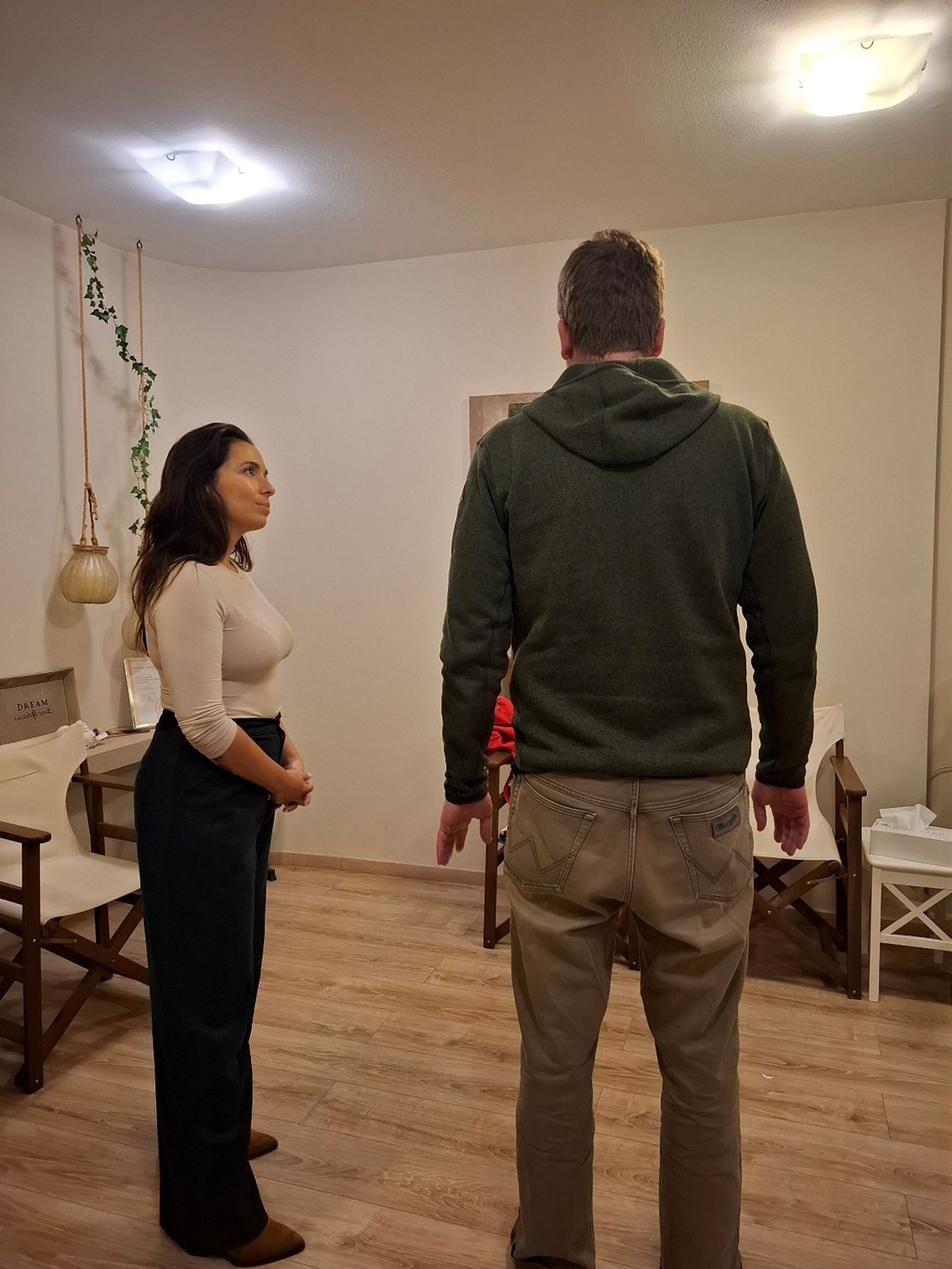
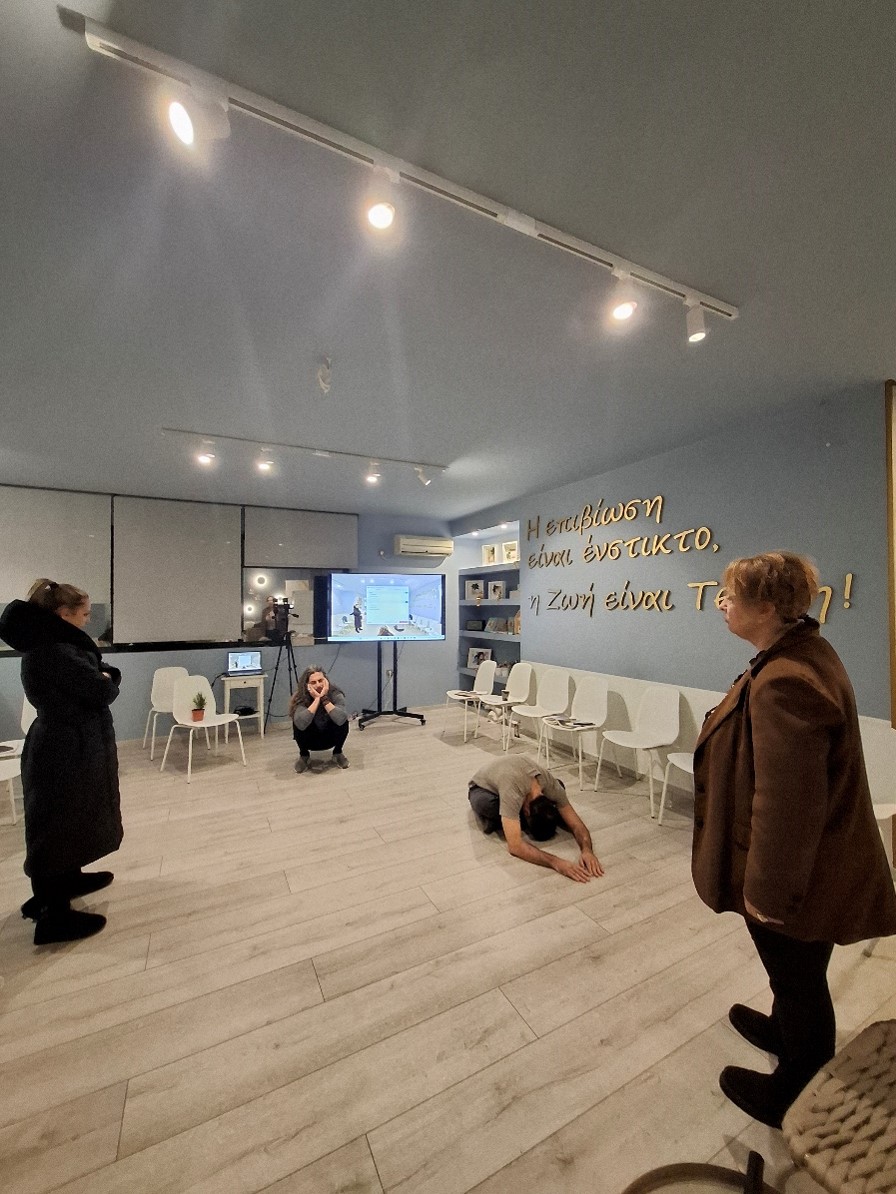
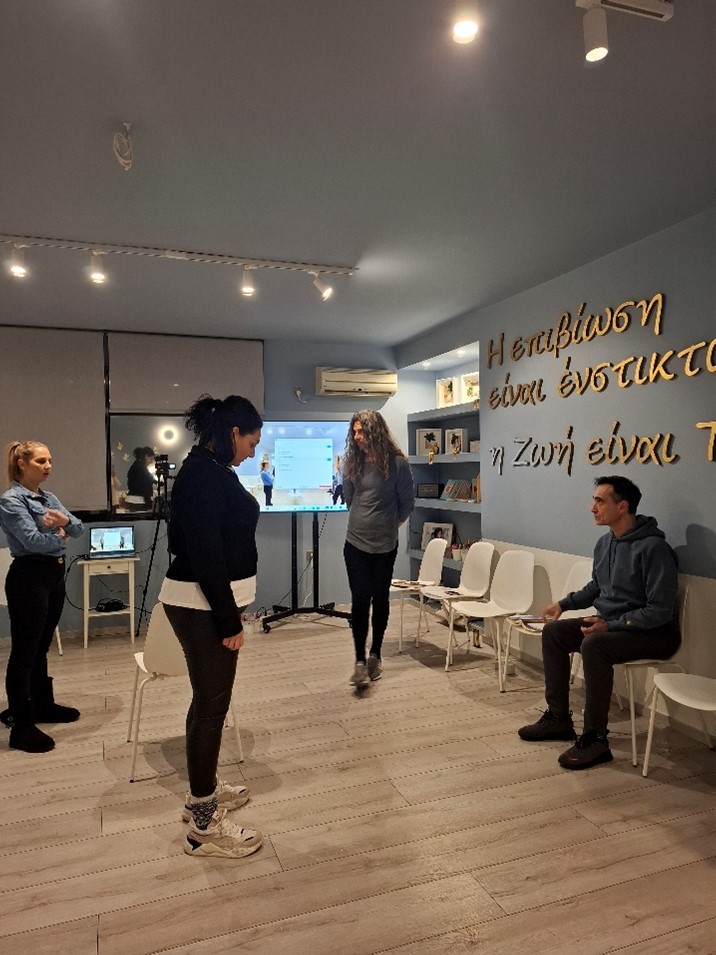
A person who was born and raised in their family, if as an adult they want to understand something that troubles them and decide to do a family representation, will set it up according to the inner image they have formed. They will choose representatives — people who will stand in for themselves and their relatives — and place them in the space, depicting the relationships that exist between them. The way the representatives stand, the distances between them, the direction they look, will offer the first information about the family.
By placing the representatives, a field is created. If the person concerned has brought a clear request (e.g. a wish to improve relationships), then the field is activated and the representatives begin to feel exactly like the people they represent. As incredible as it sounds, the representatives attune to such a degree that they can even feel physical symptoms, use exactly the same expressions, or repeat the behaviours of the people they represent.
Through the representation, elements of the father, the mother, the deceased grandmother, the grandfather can emerge; emotions, beliefs, guilt, fears and anger can manifest, helping a solution come to the problem and bringing balance, respect, love, order and acceptance both to the individual and to the whole family system.
Representations can be made on matters beyond the family, such as work, finances, or even issues concerning health problems.
What are representations useful for?
A representation can help us understand and reconcile with a difficult and complex family story, clear up unfinished matters with our parents (even if they have died) or with our children (even those not born, due to miscarriage or abortion), and ease communication in our relationship and between siblings and the other members of our family.
A representation can help us face a fear or a limiting belief, and overcome obstacles so that new paths open up. It also offers us the possibility to resolve professional issues and the opportunity to examine situations in which we find ourselves in a dilemma, helping us see which choice is best for us.
Through a representation we are given the opportunity to explore the connection between certain family events and an illness, to investigate the causes of a deep sadness, an intense anger, an unexplained shame, and to connect with our inner strengths and the visions of our soul — finding the strength to take life into our own hands.